Tuesday, 13 February 2018

Hearts for St Valentines Day.


A few weeks ago after we'd done our shopping in Ugíjar, we drove via Cherín and then turned onto a small road ALP603 which hugs the side of the hills and passes 2 villages on the way to a reservoir called Embalse de Beninar.

It was a gorgeous day so we took our lunch with us,  to sit by the side of the lake enjoying the view.

The first village on the road is called Lucainena,  we passed through here many years ago when we were exploring the area and remembered it as being empty and in need of some love and attention.  But not now:   it's pretty and well maintained.


The main reason for delaying showing you these pictures is because of the lovely hearts molded into the Church wall...... and tomorrow is Valentines Day.  So now very appropriate!

Further down the road we passed another village but lower than the road and we didn't go down to it,  it is called Darrical.  The road narrows somewhat then and drops down to the reservoir.

 The water level is very low,  there are retaining walls in places - maybe a metre high per step - all exposed.  We think these walls are normally under water.


Thursday, 25 January 2018

San Sebastian, Yator Fiesta


Another fiesta, another sunny weekend!  Enjoy the video which John has put together from my photos and filming. 


Saturday lunchtime:

Tapas,  1 euro for your drink, whether it's wine or beer or a tinto de verano,  this includes your tapas which was a slice of tortilla / spanish omelette in a roll, or a slice of lomo / pork loin drizzled with garlic oil in a roll.  Plus olives.


The start of Saturday's meal:

120 kilos of chicken,  slow cooked with vegetables, in a very large pan.
 

Sunday morning we stopped just above the Ermita de San Sebastian to take this picture of the frame with the rockets ready for sending up after the church service and the procession up to the Ermita / Chapel.


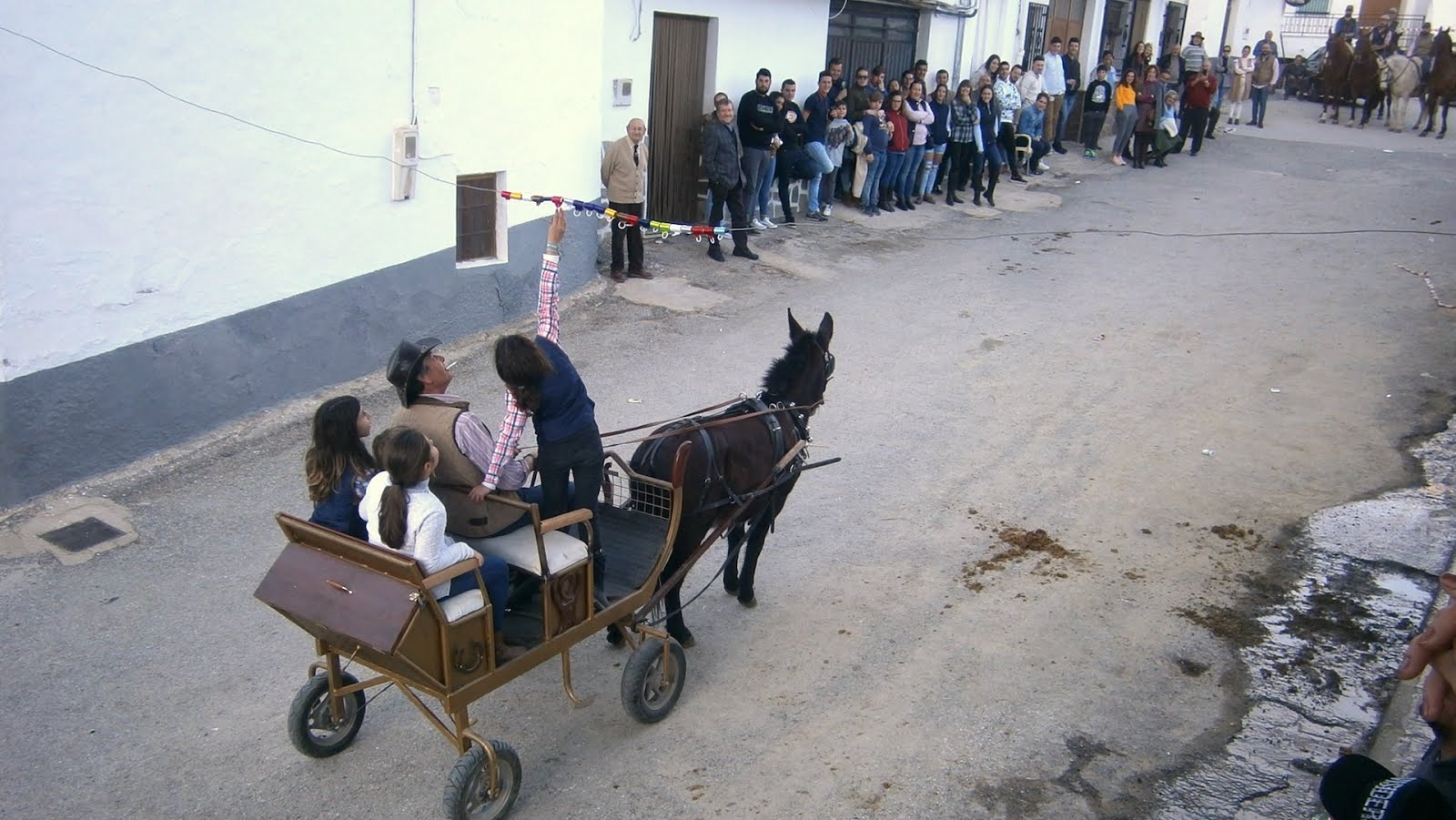
Horse and chariot sounds a bit grand,  pony and trap maybe?  We thought it was for rides for the children but  some adults had a ride too.


Sunday lunch:
Chicken and squid,  plus lots of rice and stock...


On the tables were platters of cold meats and cheeses, baskets of bread,  crisps,  and jugs of beer and wine, plus 2 litre bottles of soft drinks.  All replaced when you ran out.  Funding is on a donation basis,  the committee come round with their book,  you pay what you feel is appropriate,  they might try and sell you this years extra fundraiser - a Yator calendar this time for 3 euros - but it all goes towards the next event.  The expectation is 5 euros a person, for each day of fiesta.


Great Grandma and her great grand-daughters watching the horses..


Sunday, 10 December 2017

Inmaculada Concepción de María.

Last week there were 2 holidays,  or 3 if you are at school, because if Wednesday and Friday are holidays, then why open on the in-between day?  And then it's weekend.  Wednesday was Día de la Constitución,  and Friday was Inmaculada Concepción de María.  We usually notice more people around on holidays,  walkers or visitors to local family, but Wednesday was quiet.  However Friday was busier, maybe because there were things happening in Yator. 

Lunchtime in the village hall - don't think of this as some old quaint building, it's big and basic and quite echoey,  cheap to build but over the years it's getting more comfy,  tiled floors rather than the original concrete,  a proper kitchen and bar and lowered ceilings,  a work in progress....

Anyway I digress.  Lunch was arroz, a general purpose lunch of  rice,  sometimes full of pork and vegetables,  sometimes quite dry and stodgy,  but  Friday's was good.  I'm not a huge rice fan,  but this had lots of veg and stock and garlic and onions,  accompanied by a chunk of bread to mop up the juice,  plus of course a drink.  Wine or beer or a soft drink for your 5 euros.  Not the cheapest of meals but for a reason......

The main fiestas in Yator are San Sebastian in January and Asunción de la Virgen María in August.  The small fiestas such as this weeks are the fundraisers for the big ones,  so most of the 5 euros will go towards those. 

We walked down in glorious sunshine but with those weird spaceship clouds that signify swirling clouds way up high. 


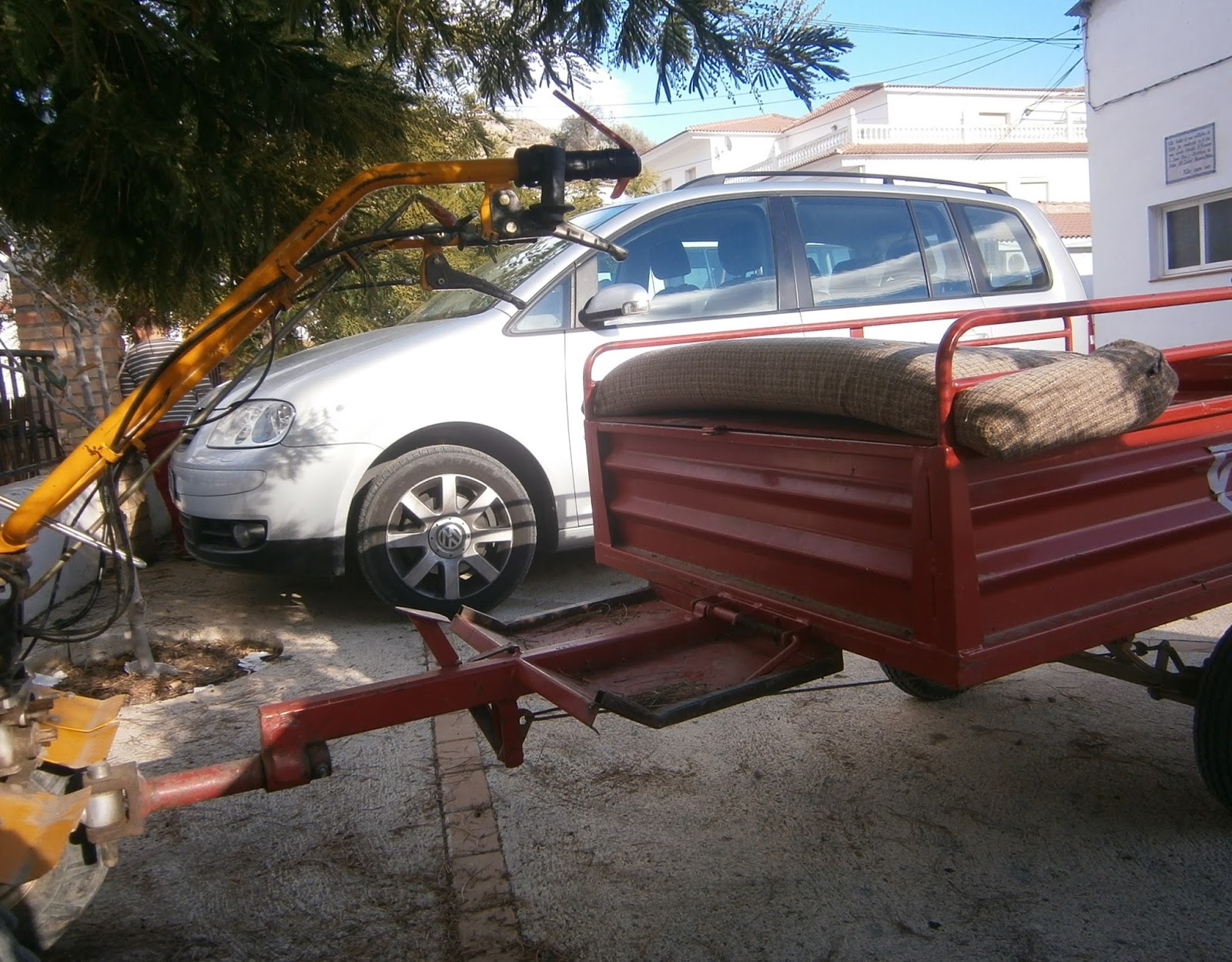
Another way to arrive in the village is by mulo mechanico  a mechanic mule,  otherwise known as a sit and ride rotavator.....


Then the arroz;  Julio was stirring the huge pan


then Gabriel who was the barman for the day also wanted to be included,


About 100 of us sat down to eat, including children,
 
98 of them were  Spanish

and us.


Saturday, 2 December 2017

Brrrrrr!!

After rain on Wednesday and more drizzle on Thursday afternoon,  we woke yesterday morning to our first frost.  The leaves on the ground under the fig trees were golden and crunchy and shimmering with frost.  Very pretty, but a little chilly!  Also the first snow up on the hills to the north and east of us,  again beautiful against the blue sky but definitely cool.  Today the wind is from the north and although we have reached the dizzy heights of 8 degrees today,  it feels much colder.


There are some large black clouds around too,  threatening more rain maybe, although the forecast is clear. 


Friday, 17 November 2017

Wonderful colours of autumn

I know that every year is different,  to quote the locals  there is  either too much sun or rain or wind,  but while we wait for the autumn rains and winds we have this.....

The colour of the leaves against the clear blue sky is beautiful....

Sweet chestnut


Pear tree

Pomegranate


Peach tree

Mulberry tree


And for breakfast we have had what is possibly the last crop of this years strawberries plus some pomegranates that we picked before they split.  After they split, the birds get inside them and peck out the fruit and seeds.


Friday, 3 November 2017

Colours of the land

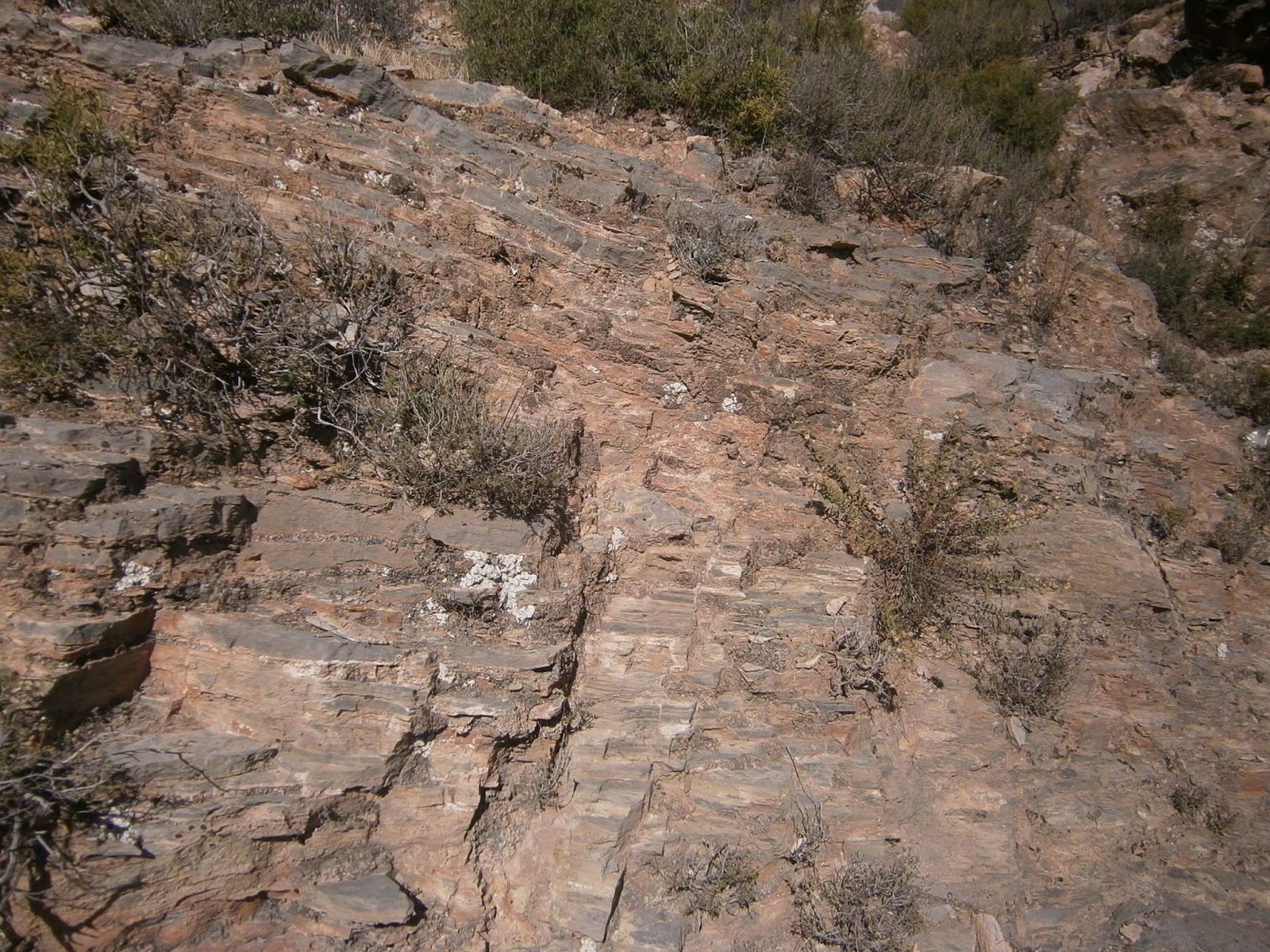
Even after 14 years here, I'm still amazed by the colours of the land and plants,  considering that this is a very hot dry part of Spain.  There are always plants with colour, those that don't shed their leaves, such as the rosemary and the olive trees, the wild thyme, the list goes on.  But also, there are a lot of colours that come from the land itself, the rocks that give wonderful scenery.  Colours ranging from dark grey to terracotta,  from dull to shiny,

No words really necessary in these photos

layers of grey with a hint of red

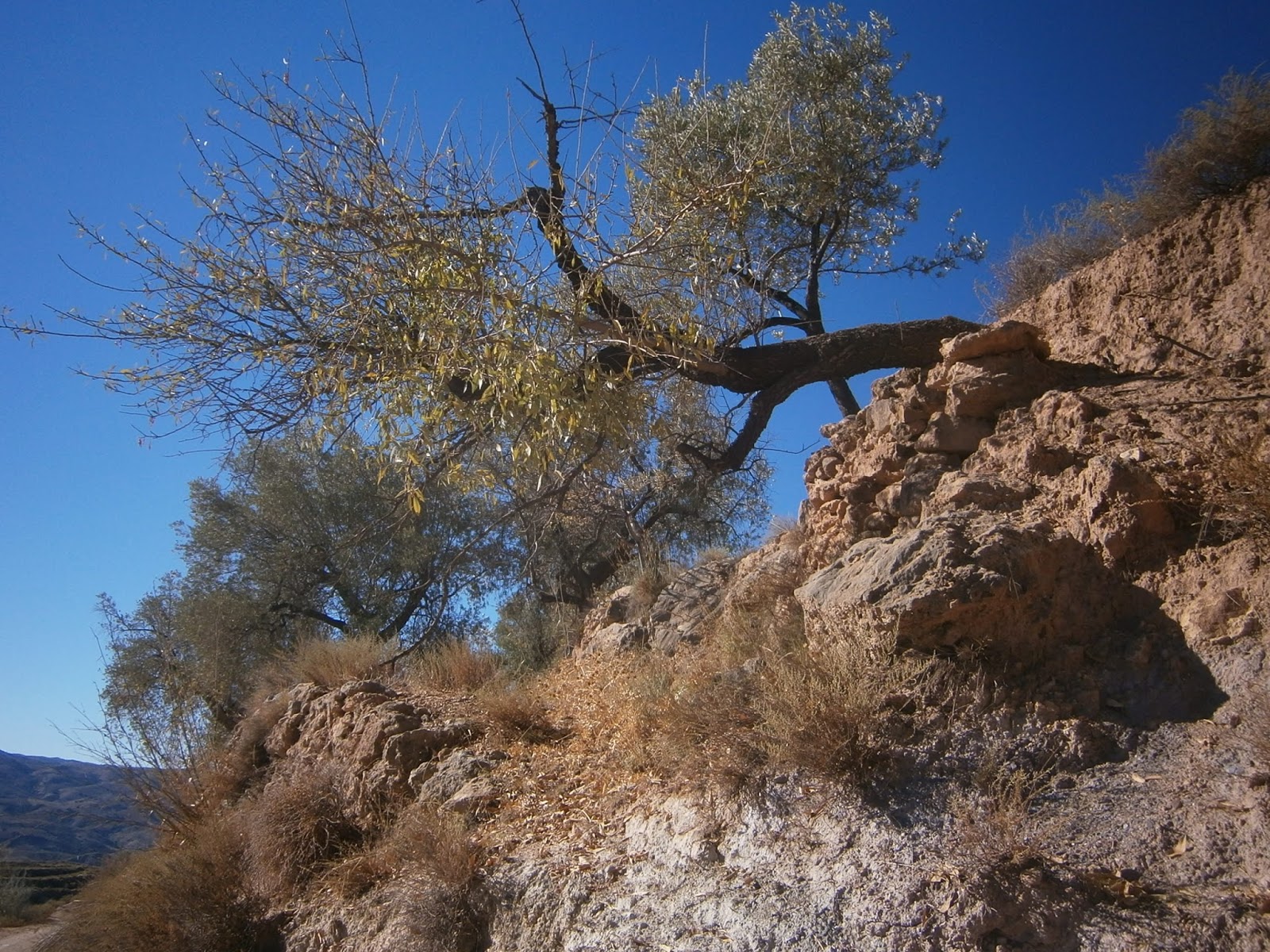
a nearby dry stone wall

and a slowly collapsing almond above the wall

grey rock above the red

shiny stones washed down a stream

over a metre tall,  fallen from way up high

silvery shiny rocks

grey again above terracotta soil


Saturday, 28 October 2017

Fiesta de las castanas

Wednesdays walk down to Yator past Ermita de San Sebastian

turn right onto Calle Era Alta


up the footpath to Era Alta

with seats and the tv/phone masts

and a view to Yator

the path towards Montenegro

first glimpse of our house

The fiesta of the castañas  - sweet chestnuts - starts today in Mecina Bombaron.  And presumably in other places too,  the day on the ayuntamiento (local council) calendar is November 1st but that is another holiday too,  Fiesta de todos los Santos,  or All Saints.  Hard to keep up with all these fiestas isn't it!!

Back to the chestnuts...

1º de Noviembre: Fiesta de las castañas
El sentido de la fiesta de las Castañas hay que buscarlo en la antigua costumbre que tenían los labradores Alpujarreños de festejar la recolección de las cosechas como muestra de agradecimiento a los frutos recibidos de la naturaleza, es pues desde este punto de vista una fiesta pagana. La celebración actual data del año 1986, año en que se recupero la tradición de pasar toda la velada tostando castañas mientras se amenizaba con cantos y bailes la fiesta. En Mecina Bombarón, según los más antiguos, existen los castaños más antiguos de la Alpujarra, algunos de ellos incluso del tiempo de los Moriscos. En torno al fruto de la castaña se ha desarrollado una amplia cultura gastronómica, en la que muchos platos tienen como ingrediente principal la castaña.

And a rough translation is..
 
The meaning of the chestnut festival must be sought in the old custom that the Alpujarreños farmers had to celebrate the harvest of the crops as a sign of gratitude to the fruits received from nature, it's therefore from this point of view a pagan festival. The current celebration dates back to 1986, a year in which the tradition of spending the whole evening toasting chestnuts was recovered while singing and dancing.  In Mecina Bombarón, according to the oldest people, there are the oldest chestnuts of the Alpujarra, some of them even from the time of the Moriscos. Around the chestnut fruit has developed a wide gastronomic culture, in which many dishes have the chestnut as the main ingredient.  (Source:google translate)  as a double check with my translation!


Moriscos were former Muslims converted or coerced into converting to Christianity. (source:wikipedia)

On to All Saints day,  celebrated in various forms all over the world.  Lots to read about the various customs on this wikipedia link here..